EJ Bollie
Integrated Electronics • Security Systems • Web Dev • Automation • Telecom
Integrated Electronics • Security Systems • Web Dev • Automation • Telecom
By EJ Bollie • 2026-01-24 01:44:34
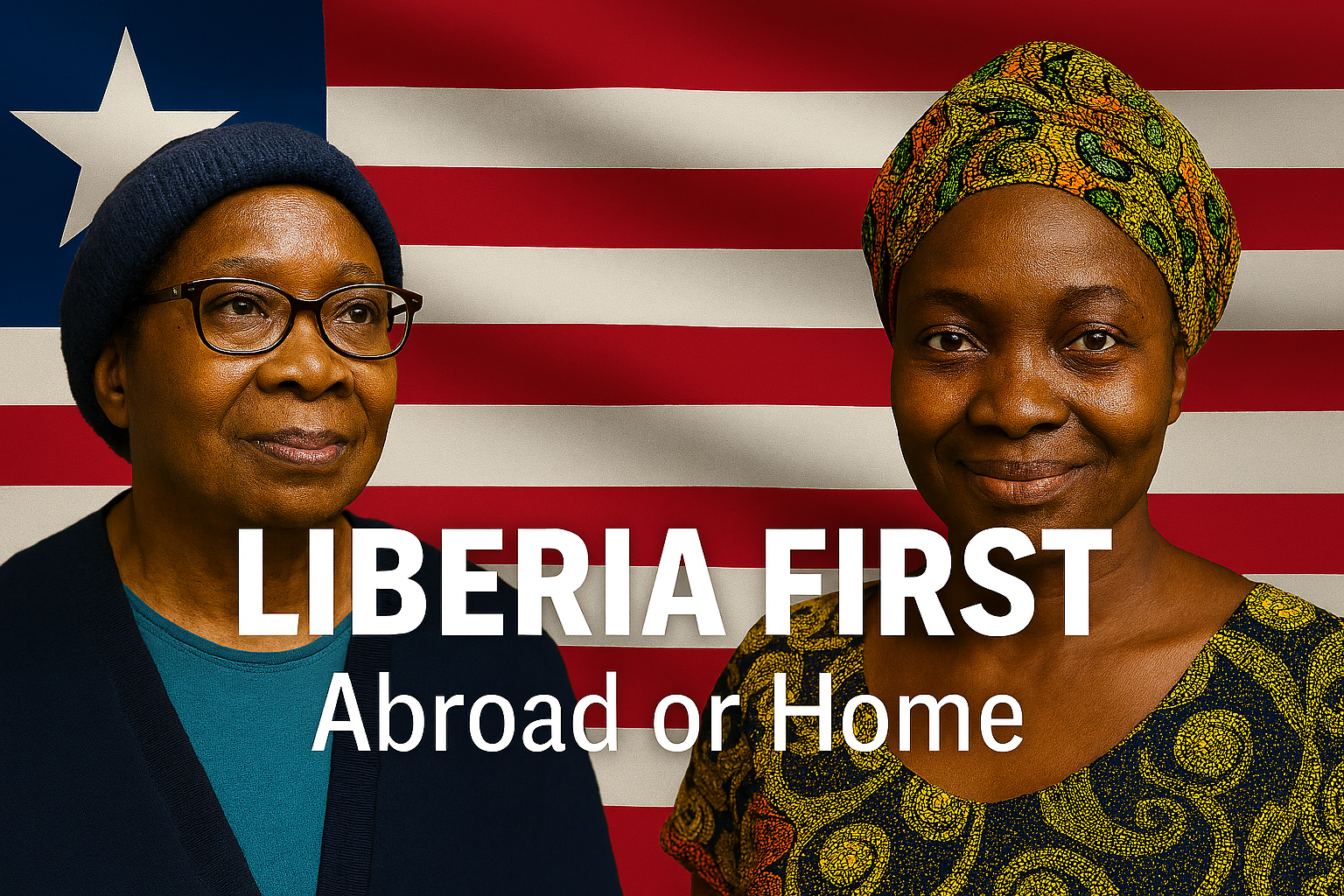
In recent days, Facebook has become the center of a painful and escalating verbal conflict between Liberians living in the United States and Liberians living back home. What began as scattered disagreements has now turned into a storm of insults, accusations, and wounded pride. The spark was a viral video in which a young Liberian woman expressed the wish that U.S. Immigration (ICE) would deport Liberians living abroad. The reaction was immediate and fierce, and the bitterness has only grown.
But beneath the anger lies a deeper truth—one that we too often forget in moments of frustration:
We are one people. One history. One struggle. One destiny.
This moment calls for calm, reflection, and a return to the values that have carried Liberia through some of its darkest chapters.
=> A Painful Divide With Deep Roots
The tension between Liberians abroad and Liberians at home did not begin on Facebook. It has been quietly building for decades, shaped by history, migration, and the scars of national trauma.
1. The Legacy of the Civil Wars
Liberia’s civil conflicts (1989–2003) scattered families across continents. Some fled to the United States, Europe, and other parts of the world seeking safety and opportunity. Others remained, enduring hardship, rebuilding communities, and carrying the weight of survival.
This separation created two different Liberian experiences:
- One shaped by exposure to developed systems, stability, and opportunity.
- The other shaped by resilience, endurance, and the daily fight to rebuild a nation.
Both experiences are valid. Both are Liberian.
2. The Rise of the Diaspora
Over the years, Liberians abroad have become a major economic lifeline for the country. Remittances from the diaspora contribute hundreds of millions of dollars annually to families, schools, hospitals, and local businesses. Many abroad work long hours, often in difficult jobs, to support loved ones back home.
Yet, this support has sometimes created unrealistic expectations, misunderstandings, and pressure—fueling resentment on both sides.
3. Social Media as a Battlefield
Platforms like Facebook amplify conflict. A single provocative video can overshadow years of quiet cooperation and mutual support. The loudest voices are often the most extreme, even though they do not represent the majority of Liberians.
=> The viral video and the Emotional Aftershock
The recent video wishing deportation on Liberians abroad struck a deep emotional nerve. For many in the diaspora, it felt like a betrayal—especially considering the sacrifices they make to support families and communities back home.
For some Liberians at home, the video was seen as a response to years of feeling judged, dismissed, or looked down upon by certain individuals abroad.
But we must remember:
One person’s anger does not represent an entire nation. One video should not define millions of people
=> A Gentle Reality Check for Both Sides
a) To Liberians Abroad
Living in America does not make anyone superior. It does not erase your roots or elevate your worth above those who stayed behind. Many of you left because Liberia was difficult—those who remained are still facing those difficulties every day.
Remember:
- Not everyone back home is uneducated or unambitious.
- Not everyone is begging for money.
- Not everyone envies your life abroad.
Your success should be a bridge, not a weapon.
b) To Liberians Back Home
Not every Liberian abroad is living a life of comfort. Many work multiple jobs, face discrimination, struggle with bills, and live with the fear of immigration challenges. Some are barely surviving.
Remember:
- They send money home because they care.
- They left to seek opportunity, not to abandon Liberia.
- They still love their country deeply.
Their struggles are real, even if they are not always visible.
=> Why This Fight is Dangerous
Liberia is a small nation with a fragile history. We have survived war, disease, poverty, and political turmoil. The last thing we need is a civil war of words among our own people.
Every insult weakens us. Every generalization divides us. Every hateful post pushes us further apart.
We cannot build a strong Liberia if:
- Those abroad feel disconnected from home.
- Those at home feel disrespected by the diaspora.
- Social media becomes a place of national self-destruction.
=> A Path Toward Healing
1. Speak With Humility
We can disagree without dehumanizing each other. Respect is the foundation of unity.
2. Avoid Painting Everyone With One Brush
One person’s behavior does not define millions. Let’s stop saying “Liberians in America are…” or “Liberians in Liberia are…”.
3. Celebrate Each Other’s Strengths
Liberians abroad bring exposure, resources, and global networks.
Liberians at home bring cultural continuity, resilience, and the heartbeat of the nation.
Both are essential. Both are Liberian.
4. Use Social Media Wisely
Before posting, ask yourself:
- Does this heal or harm?
- Does this reflect the Liberia I want to see?
- Does this uplift or tear down?
5. Remember Our Shared Identity
Whether we live in Logan Town or Los Angeles, Gbarnga or Georgia, we share:
- One flag
- One history
- One culture
- One destiny
No amount of distance can change that.
=> A Final Appeal: Liberia Needs All Her Children
Liberia’s future depends on unity, not division. The diaspora and those at home are two wings of the same bird. If one wing breaks, the whole bird falls.
Let us choose:
- Unity over ego
- Respect over rivalry
- Love over loudness
Liberia is too precious, too fragile, and too full of potential for us to tear each other down.
We are Liberians first. Everything else is secondary